What a Tattoo Costs in Ontario, and Why Quotes Vary So Much

Two studios can quote very differently for what looks like the same tattoo, and neither of them is necessarily wrong. The difference usually comes down to how they charge, how long they expect it to take, and what is included that you cannot see on a price list.
This explains what you are actually paying for, so you can compare quotes properly rather than picking the lowest number and finding out why later.
The Two Ways Studios Charge
By the piece. The artist looks at the design, the size and the placement, and quotes a single figure for the whole thing. Most common for small and medium pieces.
An hourly rate. Used for larger work, ongoing projects and anything where the time is genuinely hard to predict. Sleeves, back pieces and most cover ups fall here.
A studio minimum. Almost every studio has a floor below which it will not go, regardless of how small the tattoo is. That surprises people asking for something tiny, and it is not opportunism.
The minimum exists because the fixed cost of a tattoo barely changes with size. A five minute tattoo and a two hour tattoo need the same sterile setup, the same new needles and tubes, the same barriers, the same consultation, the same paperwork, the same breakdown and disinfection afterwards, and the same slot in a diary. The needle time is a small part of the work.
What Actually Drives the Price
Time, above everything. Nearly every other factor is really a factor because of how it affects time.
Size, obviously, though not linearly. Doubling the dimensions of a design roughly quadruples the area to be covered.
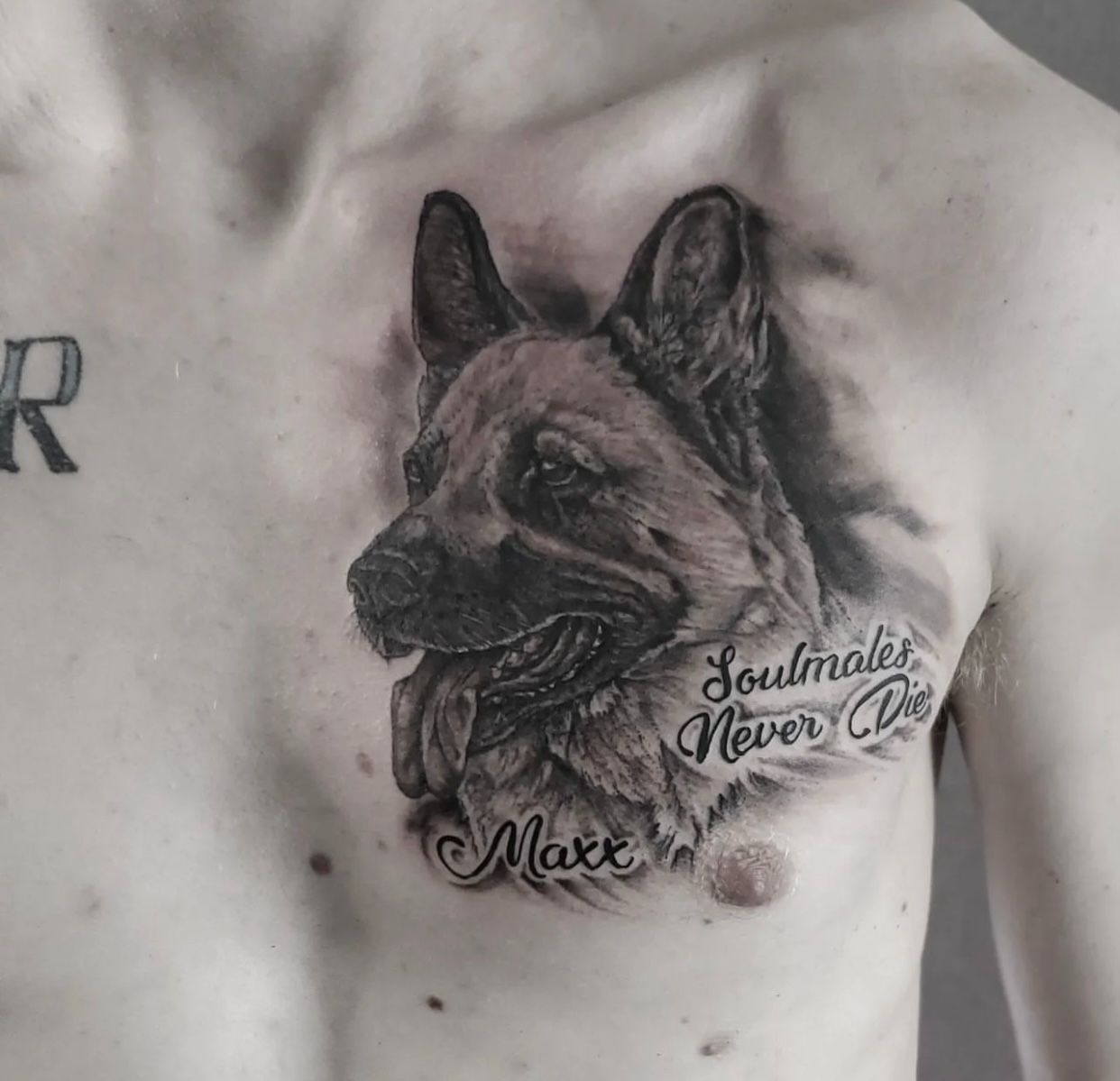
Detail and density. A palm sized piece of fine stipple work can take longer than something twice the size in bold lines. Solid black fill and colour packing are both slow.
Placement. Ribs, feet, hands, necks and the inside of arms are all slower to work on. The skin is more difficult, the client needs more breaks, and the artist is working at awkward angles.
Whether it is custom. A design drawn specifically for you involves consultation, drawing time, revisions and fitting it to your body. That work happens before the appointment and is real work.
Colour. Generally slower than black and grey. Colour packing takes time and multiple passes.
Cover ups. Almost always more than a fresh tattoo of the same size, because the design has to be built around what is already there and the area usually needs more saturation.
The artist. Experience, demand and specialism all affect rate, and that is not vanity pricing. An experienced artist is faster, needs fewer touch ups and produces work that still looks right in fifteen years.
What is Included That You Cannot See
This is where cheap quotes usually get cheap.
Sterile single use everything. New needles, tubes, ink caps, razors, barriers and gloves, opened in front of you and disposed of properly.
An autoclave that is tested. Regular spore testing costs money and takes time, and it is the only thing proving sterilization is actually happening.
Consultation and design time, which for custom work happens days before you sit down.
Setup and breakdown, which is roughly half an hour of careful work per client and is where the safety lives.
Aftercare and support afterwards. A studio that will look at your healing tattoo, answer questions and sort out a problem without charging you is carrying a real cost.
Touch ups, which many studios include within a period. Ask, because policies differ and it materially changes what a quote means.
A significantly cheaper quote usually means something on that list is thinner. Occasionally it means an artist building a portfolio, which is a genuine and honest reason. It is worth knowing which.
Where the Money Actually Goes
It is a fair question and most people never see the answer, so it is worth setting out.
The artist. In most studios artists are not on a salary. They take a share of what the client pays, and out of that share they buy their own machines, needles, cartridges, inks, grips, gloves and consumables, plus their insurance, their training and often their own furniture. What looks like an hourly rate is closer to a small business turnover than a wage.
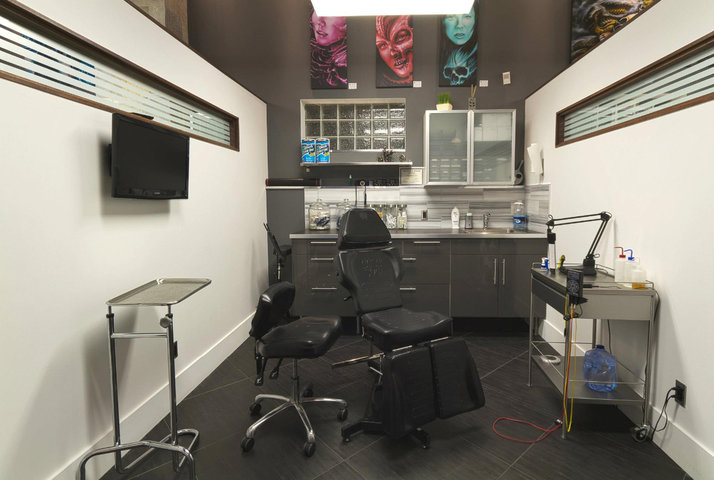
The premises. Rent, heating, lighting, water and the fit out. A studio needs washable surfaces, proper sinks, separate areas for cleaning and for working, and space to move a chair around.
Sterilization. An autoclave is a significant purchase. Running it costs pouches, indicator strips, distilled water and electricity. Spore testing has an ongoing laboratory cost, every cycle of testing, forever.
Disposables. The single biggest hidden cost. Every client consumes a set of needles and tubes, barrier film, gloves, ink caps, razors, wipes, dressings and a sharps container that has to be disposed of through a licensed stream.
Insurance and licensing. Public liability, professional indemnity, premises licensing and inspection compliance.
The unpaid hours. Consultations that do not convert. Drawing that gets rejected and redrawn. Answering questions from people who booked elsewhere. Checking healing tattoos for free. Every studio does a considerable amount of work nobody is billed for.
None of that is a plea for sympathy. It is context for why a studio minimum exists and why the cheapest quote in town is usually cheap somewhere it should not be.
What a Fair Conversation About Money Sounds Like
You should never feel awkward asking about price, and a good studio makes it easy.
Ask early, not at the end. Bring the budget up at the consultation. A good artist will design to it rather than presenting you with something you cannot afford.
Expect a range rather than a figure for anything complicated. An artist who quotes an exact number for a large custom piece before drawing it is guessing.
Expect the quote to be written down. What is included, what it covers, what happens if a second session is needed.
Expect honesty about what your budget buys. Sometimes the honest answer is that the piece you want is not achievable at the size you want for the money you have, and the choices are to wait, to simplify, or to go smaller. An artist who says that is respecting you.
Watch for pressure. Nobody should be pushing you to book today, to upgrade, or to add to a piece on the spot. A studio that creates urgency about a permanent decision has told you something about itself.
How to Compare Two Quotes Honestly
Ask what it includes. Is a touch up included, and for how long. Is the consultation and drawing time in the price. Are there extra costs for a second session.
Ask how long they expect it to take. An hourly quote is meaningless without an estimate of hours, and a flat rate is only comparable if you know how long each artist thinks the piece needs.
Ask about deposits. Almost every studio takes one, it usually comes off the final price, and the terms around rescheduling vary a great deal. Get that in writing.
Look at healed work from both. The cheaper artist may be excellent. They may also be somebody whose work you will be paying to correct in three years. Healed photographs answer this and fresh ones do not.
Do not negotiate on price. Ask about scope instead. A good artist will happily discuss making a design simpler, smaller or black and grey rather than colour to fit a budget. Asking them to do the same work for less is asking them to rush it.
Budgeting For a Large Piece
For anything sizeable, think in sessions rather than in a total.
Most large projects are paid session by session as you go, which spreads the cost considerably and means you are never handing over one large sum. It also lets you set the pace, since sessions can be spaced to suit your budget rather than the calendar.
A useful approach is to agree the design and the overall plan, then book sessions at a rhythm you can sustain. Long gaps make the project harder for the artist and stretch it out, so the sensible target is the shortest interval you can comfortably afford rather than the fastest possible.
Tipping is customary in this trade in Ontario, and it is worth factoring in rather than being caught out at the counter. There is no fixed expectation and anything is appreciated.
Saving Up Properly, Without Compromising the Piece
If the tattoo you want is beyond your budget today, there are good ways to handle that and bad ways.
Wait and get the right one. Dull advice and it is the correct advice. A piece you saved four months for and love is cheaper over a lifetime than one you could afford immediately and had reworked twice.
Book the consultation now and the appointment later. Costs nothing, gets the design under way, secures your place in a diary that may be months out anyway, and gives you a fixed date to save towards.
Split a large piece into planned stages. Not the same as running out of money halfway. A design deliberately built in sections, with each one complete in itself, means you can stop between stages without anything looking unfinished. Raise this at the consultation and it changes how the piece is drawn.
Simplify rather than shrink. If the budget will not stretch, reducing detail usually preserves the piece better than reducing size. A simpler design at the right scale ages well. A detailed design squeezed small does not.
Consider black and grey. Colour packing takes longer. The same composition in black and grey is often meaningfully less expensive and ages better.
What not to do is chase the number down by finding somebody cheaper for the same design. That is the one route that reliably costs more in the end.
The False Economies
Going to whoever is cheapest. The two most expensive tattoos anybody buys are a cover up and a laser removal course, and both start with a cheap tattoo.
Getting it smaller than it should be to save money. A design crammed below the size it needs closes up over the years. Better to wait and get it at the right size than to have it now at the wrong one.
Home and kitchen tattooists. No inspection, no accountability, and no autoclave. The savings are not worth the risk and the results are usually visible.
Skipping the consultation. The cheapest change to a tattoo is the one made on paper.
Piercing Pricing, Briefly
The same logic applies with one difference that catches people out.
A piercing price is usually quoted in two parts. The procedure itself, and the jewellery. Those are separate because the jewellery is a real cost that varies enormously, and because you are choosing it.
Implant-grade titanium is the floor for anything going into a fresh piercing and it is not expensive. Solid gold, gemstone ends and larger decorative pieces go up from there and can easily exceed the cost of the piercing itself.
That means a quoted piercing price with no jewellery mentioned is incomplete, and a very low advertised price is usually the procedure alone with the cheapest possible metal. Ask what jewellery is included and what it is made of.
The downsize appointment is also worth asking about. Most studios include it or charge only for the smaller bar, and it is a necessary part of the process rather than an optional extra.
Bottom line
You are paying for time, expertise and a great deal of safety infrastructure you never see. Studio minimums exist because setup, breakdown and sterilization cost the same whether the tattoo takes five minutes or two hours.
Compare quotes on what is included, on how long each artist thinks the work needs, and on their healed portfolios. Ask about touch ups and deposits before you book.
And do not choose on price alone. A tattoo is one of very few purchases you cannot return, and the cheapest version is regularly the most expensive one in the end.
Come in for a consultation and we will give you an honest quote with the scope written down.
FAQ
Why does the studio have a minimum charge?
Because the fixed costs barely change with size. New needles, sterile setup, barriers, breakdown, disinfection, paperwork and a diary slot all cost the same for a tiny tattoo as for a large one.
Is hourly or flat rate better for me?
Flat rate suits small and medium pieces where the time is predictable. Hourly suits large or complex work, cover ups and ongoing projects, and it protects you from an artist rushing to fit a fixed price.
Why is a cover up more expensive?
The design has to work around what is already there, the area usually needs heavier saturation, and it takes longer. It is more difficult work than a fresh tattoo of the same size.
Should I choose the cheapest quote?
Compare what is included first, and look at healed work from both artists. The most expensive tattoos anybody buys are the cover up and the laser course that follow a cheap one.
Are touch ups included?
It varies between studios, so ask. It materially changes what a quote is worth.
How do deposits work?
Almost every studio takes one and it usually comes off the final price. Rescheduling terms vary, so get them in writing before you pay.
Can I negotiate?
Negotiate scope rather than price. A good artist will happily discuss a simpler, smaller or black and grey version to suit a budget. Asking for the same work for less is asking them to rush.
Is tipping expected?
It is customary in this trade in Ontario. There is no fixed amount and it is worth budgeting for.