Anti-Tragus Piercings

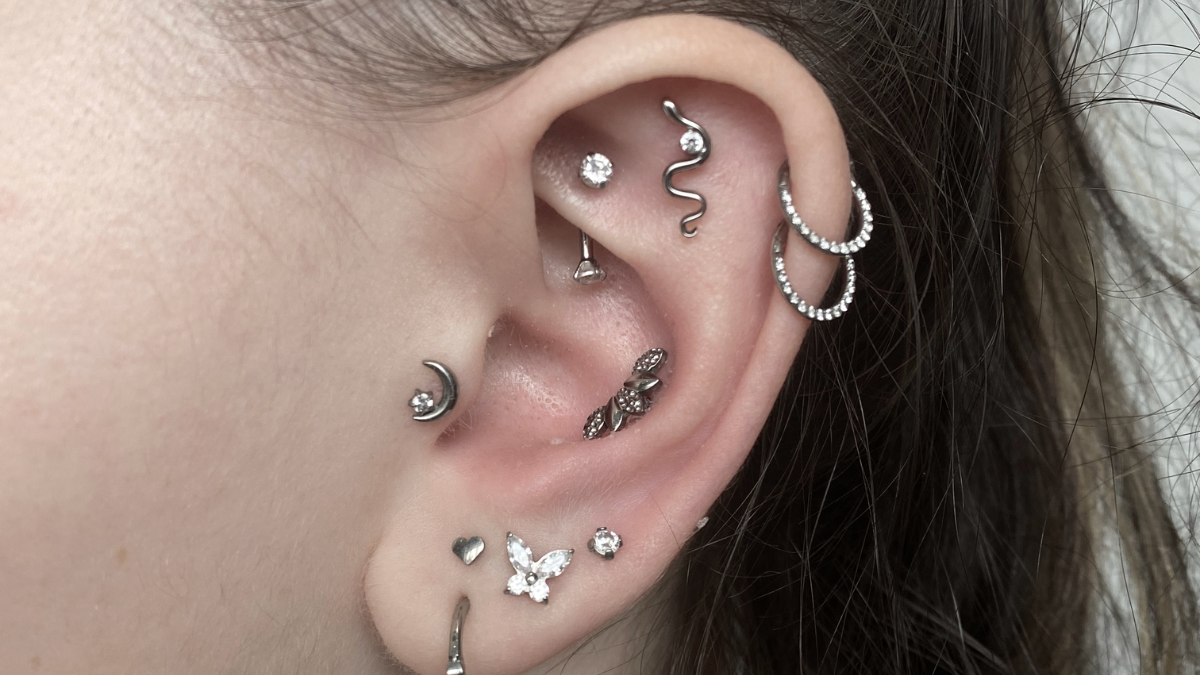
The anti-tragus is the small raised ridge of cartilage sitting just above your earlobe, directly opposite the tragus — the flap that covers your ear canal. A piercing through it sits in a spot most people cannot name but immediately recognize.
It is one of the more anatomy-dependent piercings we do, which is where any honest conversation about it has to start.
Whether You Can Have One
Not everybody can, and that is the first thing to establish.
The anti-tragus varies enormously between people. Some have a pronounced ridge with plenty of depth — ideal. Some have one so shallow or so tightly attached to the surrounding ear that there is not enough tissue to hold jewellery without constant pressure.
Pressure is what causes migration and rejection. Piercing an anti-tragus that has not got the anatomy for it means a piercing that fights you for a year and then works its way out.
Come in and let us look before you set your heart on it. It takes a minute. If the answer is no, that is not us being awkward — ten of the thirteen common ear placements depend on anatomy you either have or you do not, and this is one of the clearer cases.
What it Feels Like
Firmer than a lobe, comparable to a tragus, and less than a rook or an industrial.
It is cartilage, so expect pressure and a distinct crunch rather than the quick pinch of soft tissue. It is over in a second or two.
The area is small and close to the jaw, so some people find the sound more unsettling than the sensation. That is normal and it passes.
Healing, Realistically
About twelve months, like most cartilage.
Cartilage has a poor blood supply compared with soft tissue, and healing runs on circulation. There is no shortcut and there is no version of this that settles in six weeks.
The surface will look healed long before the channel is. Judge it by time rather than by appearance, and do not change the jewellery early.
Why This One is Fussier Than Most
Three specific things work against an anti-tragus.
It is right where headphones sit. Over-ear headphones press directly on it; even some earbuds foul it. If you wear headphones for hours a day — gaming, work, commuting — this is a genuine consideration rather than a footnote. Switch to something that clears the ear, or think about a different placement.
It is right where a pillow goes. The anti-tragus sits on the part of the ear that meets the pillow when you sleep on your side. A travel pillow with the hole under your ear is the single most useful thing anyone buys for a healing ear piercing.
It is small. Less tissue means less margin, so pressure that a helix would shrug off matters here.
Jewellery
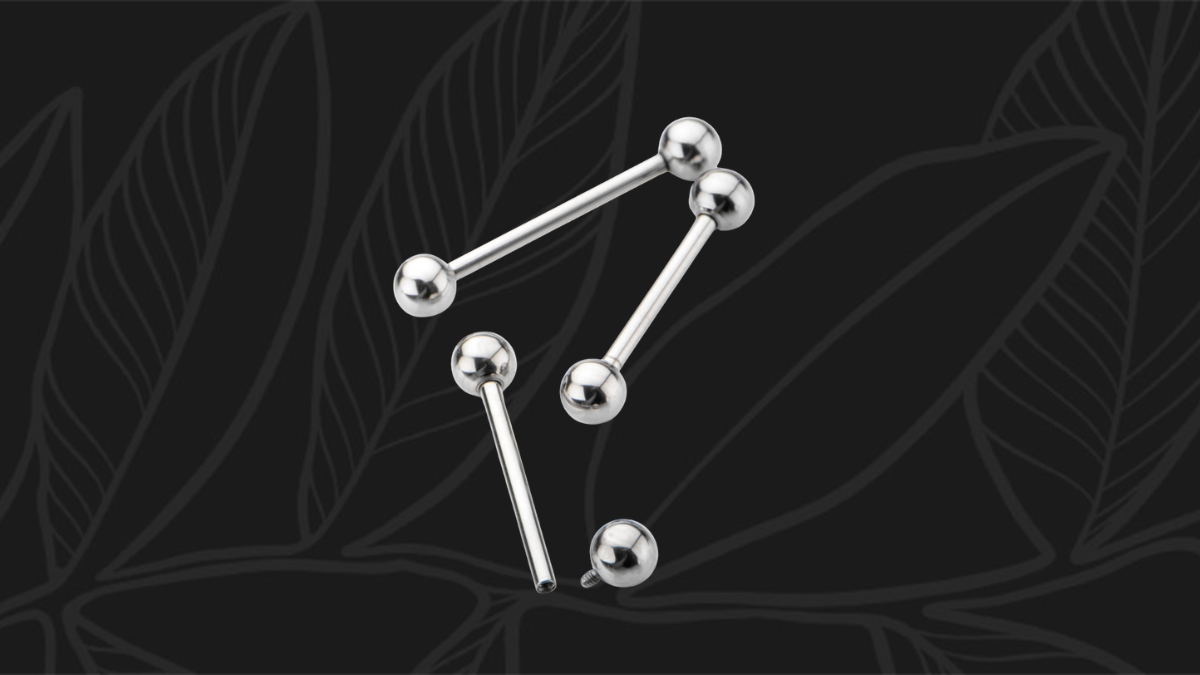
A small curved barbell or a labret stud for healing, in implant-grade titanium. Sized with a little extra length for swelling.
Not a ring to start. Rings move, and movement in a healing cartilage piercing causes irritation bumps and prolonged healing. Once fully settled, a small hoop looks excellent in this placement and plenty of people switch.
The downsize matters here as much as anywhere. Come back at six to eight weeks and we will shorten the bar. A long bar in a small piece of cartilage moves constantly, and movement is exactly what you are trying to avoid.
Aftercare
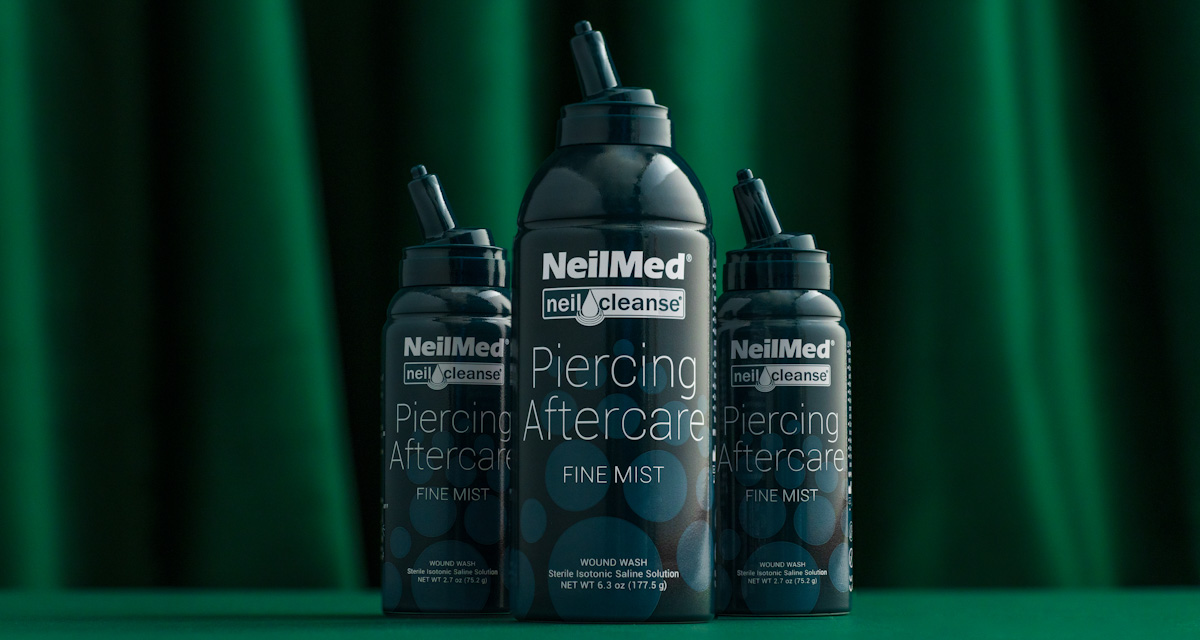
Sterile saline twice a day, and nothing else. No alcohol, no peroxide, no tea tree oil, no ointment.
Do not twist or rotate it. The old advice about turning piercings is wrong, and it damages healing tissue.
Dry it properly — a cool hairdryer on low beats a towel, which catches.
Watch the headphones. More piercings in this spot are ruined by daily headphone pressure than by anything else.
Bumps are usually irritation, not infection. If one appears, come in rather than treating it yourself. The fix is normally mechanical — a shorter bar, a different sleeping position, different headphones. Our keloids and bumps article explains the difference.
At Perfect Image
We do anti-tragus piercings at all our studios, in implant-grade titanium, but only where the anatomy suits it.
Come in and let us look at your ear first. And tell us honestly about headphones and sleeping, because both change what we would recommend.
Bottom Line
The small ridge above the lobe, and not everyone has enough of it — that is a conversation before it is a booking. Cartilage pain, six to twelve months of healing, a bar rather than a ring to start, and headphones are the thing most likely to cause you trouble.
FAQ
Can everybody get an anti-tragus?
No. It depends on having enough cartilage ridge. We will tell you honestly.
Does it hurt?
Cartilage pressure and a crunch — more than a lobe, comparable to a tragus, less than a rook.
How long does it take to heal?
Six to twelve months.
Can I wear a hoop?
Once fully healed. Start in a bar.
Will headphones be a problem?
Often, yes. Say so before you book.
Can I sleep on it?
Not comfortably at first. A travel pillow helps a great deal.