How Much It Hurts, by Placement

Everybody asks and almost nobody gets a straight answer, because the honest one is that it depends on where, on you, and on the day. What can be said usefully is which areas are consistently harder than others and why, so you can choose a placement with your eyes open.
The short version. It hurts, it is entirely survivable, most people find it considerably less bad than they had built up, and the location matters more than anything else you can control.
What Actually Causes the Pain
Three things, and knowing them explains the whole map.
1. Nerve density. Some areas have far more nerve endings per square centimetre. Hands, feet, ribs, the inside of the arm, the neck and the face are all richly supplied.
2. How much sits between skin and bone. Where there is padding, the vibration is absorbed. Where the needle is working over bone with almost nothing in between, you feel it in the bone. This is why ribs, shins, ankles, elbows and the top of the foot are harder than a thigh.
3. Skin thickness. Thin skin means the needle is closer to everything sensitive underneath.
Add duration to those three. A twenty minute tattoo somewhere sensitive is often easier than three hours somewhere moderate, because endurance becomes the issue rather than intensity.
The Easier Areas
Outer thigh. Consistently the most comfortable place on the body. Thick skin, plenty of padding, low nerve density.
Outer upper arm. The classic first tattoo spot for good reason.
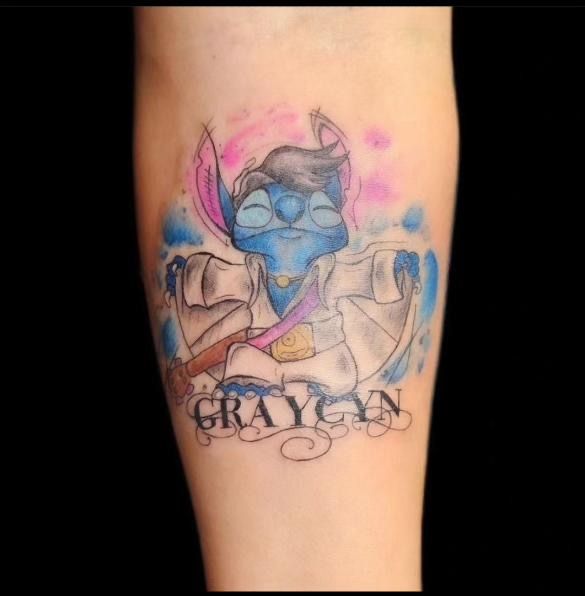
Forearm, outer side. Manageable for most people. The inner side is a different matter.
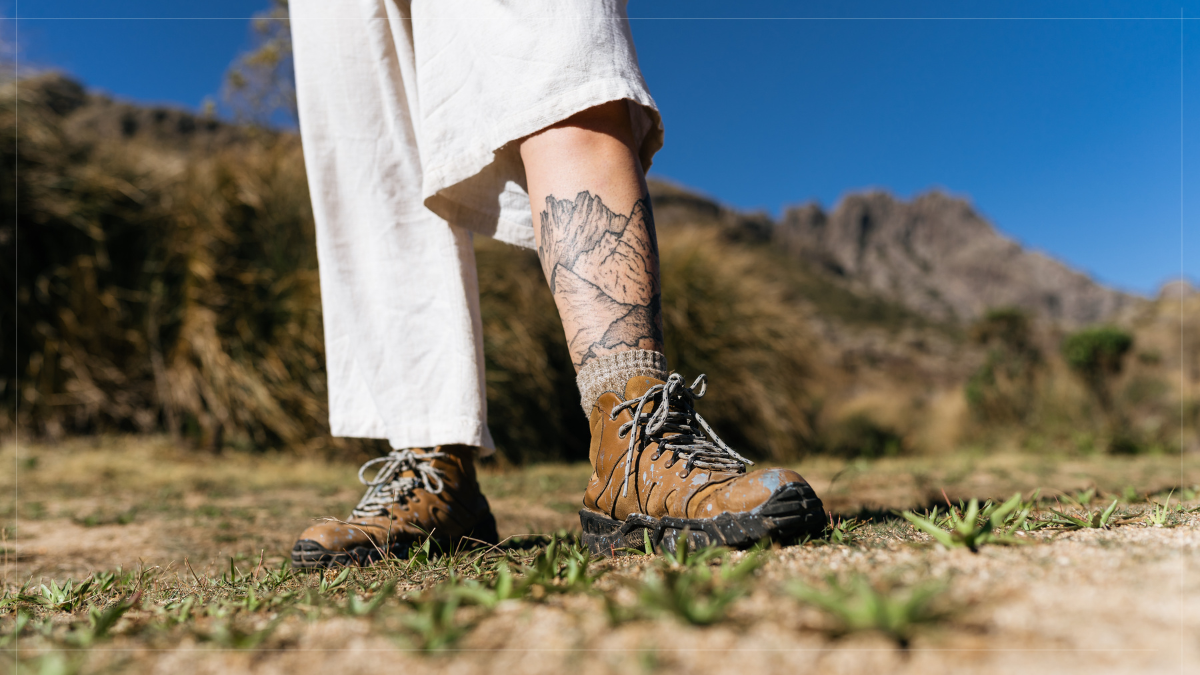
Calf, outer side. Fine for most, though it gets sharper closer to the shin.
Upper back and shoulder. Broad, padded, and easy to sit for.
Buttocks and outer hip. Genuinely among the easiest.
If it is your first tattoo and you have any choice about placement, these are where to start. There is no prize for beginning somewhere difficult.
The Moderate Middle
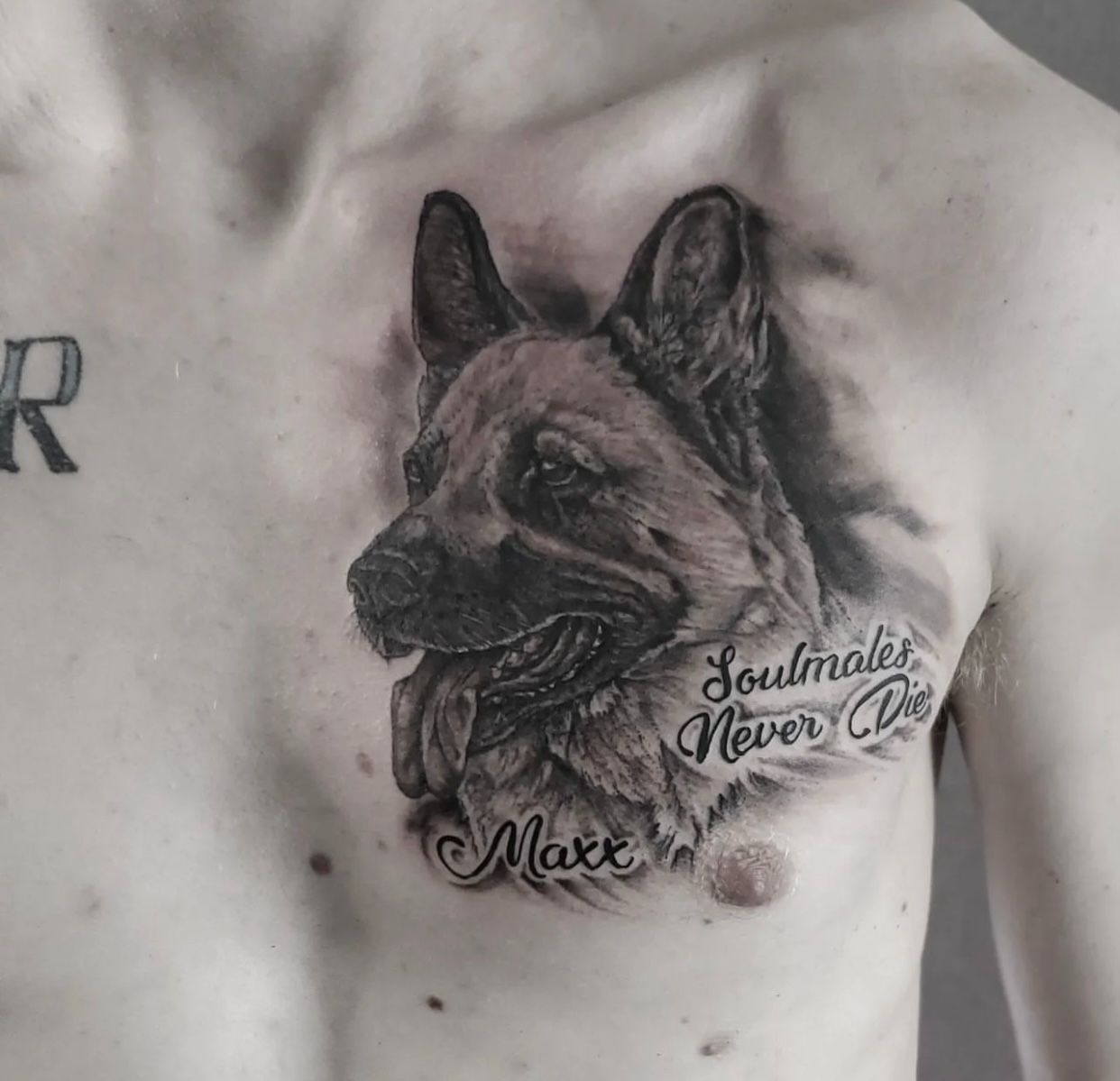
Chest, easier in the fleshier areas and harder along the collarbone and sternum.
Stomach, which varies a great deal between people.
Lower back. Fine across the middle, sharper over the spine.
Upper arm inner side. Noticeably more than the outer.
Neck, which is more about the strangeness of the sensation than the intensity.
The Genuinely Difficult Ones
Ribs. Almost universally reported as the hardest. Thin skin, bone directly underneath, and your breathing moves the surface constantly.
Sternum and centre chest. Bone, thin skin, and close to the throat, which people find unsettling.
Spine. Directly over vertebrae.
Feet and ankles. Thin skin, bone throughout, dense nerve supply. Toes are worse.
Hands and fingers. Same reasons, plus these are among the most sensitive areas on the body.
Inner arm and armpit. Very thin skin and high nerve density.
Knees and elbows, particularly the ditch on the inside.
Head, face and neck front.
Groin and genitals.
None of those are impossible and people sit through all of them regularly. They simply require more from you, and they are not where to begin.
Why the Pain Charts Online are Mostly Useless
You will have seen the body diagrams shaded red, orange and green. They are a reasonable rough guide and they mislead in three specific ways.
They ignore duration entirely. Every chart rates a location on intensity alone. In practice a moderate area for four hours is harder than a difficult area for twenty minutes, and duration is the thing most people underestimate.
They ignore the individual. Pain tolerance varies enormously and, more importantly, it varies by location within the same person in ways no chart predicts. Plenty of people find their ribs manageable and their inner arm unbearable, which is the opposite of what every chart says.
They ignore the day. The same placement on the same person is meaningfully different depending on sleep, food, stress and where somebody is in their cycle. A chart cannot show a variable that changes week to week.
Use them to sort the easy end from the difficult end, which they do get broadly right. Do not use them to talk yourself out of a placement you actually want, and do not treat a green area as a guarantee.
The better question to ask an artist is not how much a spot hurts. It is how long the piece will take there, because that is the number that decides your afternoon.
What Changes the Experience More Than Placement
Sleep. The single biggest variable people control and ignore. A bad night before a long session makes everything worse.
Food. Eat properly beforehand. A drop in blood sugar during a session produces lightheadedness and makes pain far harder to tolerate.
Hydration. Well hydrated skin takes ink better and you cope better.
Alcohol. Skip it entirely the night before. It thins the blood, dehydrates you, and leaves you worse equipped.
Anti-inflammatory painkillers. Do not take them beforehand. They thin the blood, which means more bleeding, poorer ink retention and a patchier heal. Paracetamol does not thin the blood and is the usual answer.
Caffeine. Some people find it makes them jittery and more sensitive. Others are fine. Know yourself.
Your state of mind. Anticipation makes pain worse. People who are relaxed, distracted and talking have an easier time than people bracing.
Where you are in your cycle, for some people. Sensitivity can be noticeably higher in the days before a period, and it is worth scheduling around if you know it affects you.
Numbing Cream, Honestly
More complicated than the marketing suggests.
It does work, to a degree, for a limited period, on the surface. Topical anaesthetics reduce sensation for somewhere around an hour or two of working time.
It changes the skin. Many numbing products alter skin texture and firmness, and a number of artists find they make the skin harder to work with, which can affect ink retention and how the piece heals. Some artists will not work with it for that reason.
It wears off mid session, and the return of sensation part way through is reported by many people as worse than never having numbed at all, because you have lost your adjustment to it.
It has to be applied properly, well in advance, usually under a covering, and a badly applied product does very little.
Some people react to it.
Ask first. Never turn up having applied something without telling your artist. If you want to use it, raise it at the consultation, because whether it is workable depends on the artist, the piece, the placement and the product.
For a short session in a moderate area it is usually unnecessary. For a long session somewhere genuinely difficult, it is a reasonable conversation to have.
What a Session Actually Feels Like
The first few minutes are the worst, because that is when your body is deciding how alarmed to be. Most people settle considerably after five or ten minutes.
Outlining and shading feel different. Outlining is sharper and more precise. Shading is broader, warmer, and many people find it more tolerable, though over a long stretch it can become a duller ache.
Endorphins arrive. Somewhere in the first half hour most people find the sensation becomes manageable in a way it was not at the start.
The last stretch is often the hardest, because the area is genuinely sore by then and you are tired.
You can ask for a break at any point. Every artist expects it, nobody is impressed by endurance, and a client who stops for five minutes to eat something is a client who finishes the session.
Piercings, and Why the Comparison Confuses People
People try to use one to predict the other and it does not work, because they are different experiences rather than different amounts of the same thing.
A piercing is intense and extremely short. One or two seconds, a sharp moment, then it is done and you are dealing with an ache rather than pain. Almost everyone copes with the moment itself. What catches people out is the aftermath, which can involve watering eyes, a wave of lightheadedness or a shaky ten minutes, none of which means anything is wrong.
A tattoo is a lower level of sensation sustained for a very long time. Nobody faints from the intensity. People struggle with the duration, with sitting still, and with the area becoming genuinely sore in the last hour.
So somebody who found a cartilage piercing difficult is not necessarily going to struggle with a tattoo, and somebody who sat through a four hour tattoo comfortably may still find a septum startling. They test different things.
If you have only ever had piercings, the useful preparation for a first tattoo is not about pain tolerance. It is about sitting still, eating properly and having something to occupy your mind.
The Fainting Question
It happens, it is not dangerous in a well run studio, and understanding it removes most of the fear.
It is almost never caused by pain. It is a nervous system response, often triggered by anxiety, by not having eaten, by heat, or simply by the idea of what is happening. It is the same reaction some people have to blood tests.
The warning signs are consistent and worth knowing. Feeling suddenly hot, ringing in the ears, tunnel vision, nausea, or going clammy. If any of that starts, say so immediately. There is nothing embarrassing about it and every artist has seen it many times.
The response is simple. Lie down, feet up, something sugary, a few minutes. It passes.
You can prevent nearly all of it by eating a proper meal beforehand, staying hydrated, and telling us in advance if you know you are prone to it. If you faint at blood tests, say so when you arrive and we will lay you down from the start rather than sitting you upright, which prevents most of the problem before it begins.
What to Bring For a Long Session
The practical list, from people who sit through these regularly.
Food. Something to eat during a break, and something sugary in case you need it quickly.
Water. More than you think.
Headphones and something downloaded. A series or a podcast passes the time far better than music and considerably better than staring at the ceiling.
A jumper. People get cold sitting still for hours, particularly once endorphins settle.
Loose clothing that gives access to the area and that you do not mind getting ink on.
A phone charger, because a five hour session will flatten it.
Somebody to drive you, for a long or difficult placement, though most people are entirely fine.
What not to bring is an audience. One friend for company is fine and is welcome. A group standing over the chair makes the artist's job harder and makes most people more self conscious rather than less.
If You are Frightened Rather Than Curious
Some people arrive at this article genuinely anxious rather than mildly interested, and that deserves a proper answer rather than being told it is fine.
Being frightened of it is common and it does not mean you should not do it. It means the appointment should be arranged differently.
Book something small first. A short piece somewhere comfortable, twenty minutes, so the unknown becomes known. Almost everybody's fear is of the imagined version rather than the actual one, and one short session dissolves most of it permanently.
Tell us when you book, not when you arrive. We can put you in a quieter part of the day, give you an artist who is unhurried, and allow more time than the work needs so nobody is watching the clock.
Ask to be talked through it step by step before anything starts. Knowing exactly what is about to happen, in order, settles most people faster than any amount of being told it will be fine.
Bring one person if that helps. Not a group.
And know that you can stop. At any point, for any reason, without explaining yourself. A session that ends early and gets finished another day is an entirely ordinary thing and no artist will think anything of it.
Bottom Line
Nerve density, how much sits between skin and bone, and skin thickness decide most of it. Outer thigh and outer arm are the easiest. Ribs, sternum, feet, hands and inner arm are the hardest.
Sleep, eat, drink water, skip alcohol and skip anti-inflammatory painkillers. Do not use numbing cream without discussing it first. Take a break when you need one.
And take some comfort from the fact that almost everybody says afterwards that it was easier than they had imagined.
If you are nervous, tell us when you arrive. Being talked through exactly what is about to happen settles most people faster than any reassurance does.
FAQ
What is the least painful place for a first tattoo?
Outer thigh, outer upper arm and outer forearm are consistently the most comfortable. Thick skin, padding, low nerve density.
What is the most painful?
Ribs are almost universally reported as the hardest, followed by sternum, feet, hands, inner arm and anywhere directly over bone.
Does it hurt the whole time?
The first few minutes are the worst. Most people settle after five or ten and find it manageable, with the final stretch getting harder as the area becomes sore.
Can I take painkillers beforehand?
Not anti-inflammatories, which thin the blood and cause more bleeding and patchier healing. Paracetamol is usually fine. Ask rather than guessing.
Does numbing cream work?
To a degree, for a limited time, on the surface. It can change the skin in ways that affect the work, it wears off mid session, and some artists will not use it. Always discuss it first.
Does shading hurt more than outlining?
They feel different rather than one being worse. Outlining is sharper, shading is broader and warmer, and over a long session shading becomes a dull ache.
Can I ask for a break?
Any time. Every artist expects it and a break for water and food is often what allows a session to be completed properly.
Is a piercing more painful than a tattoo?
More intense and far shorter. A piercing is over in a second or two. A tattoo is a lower level of sensation sustained for much longer.